
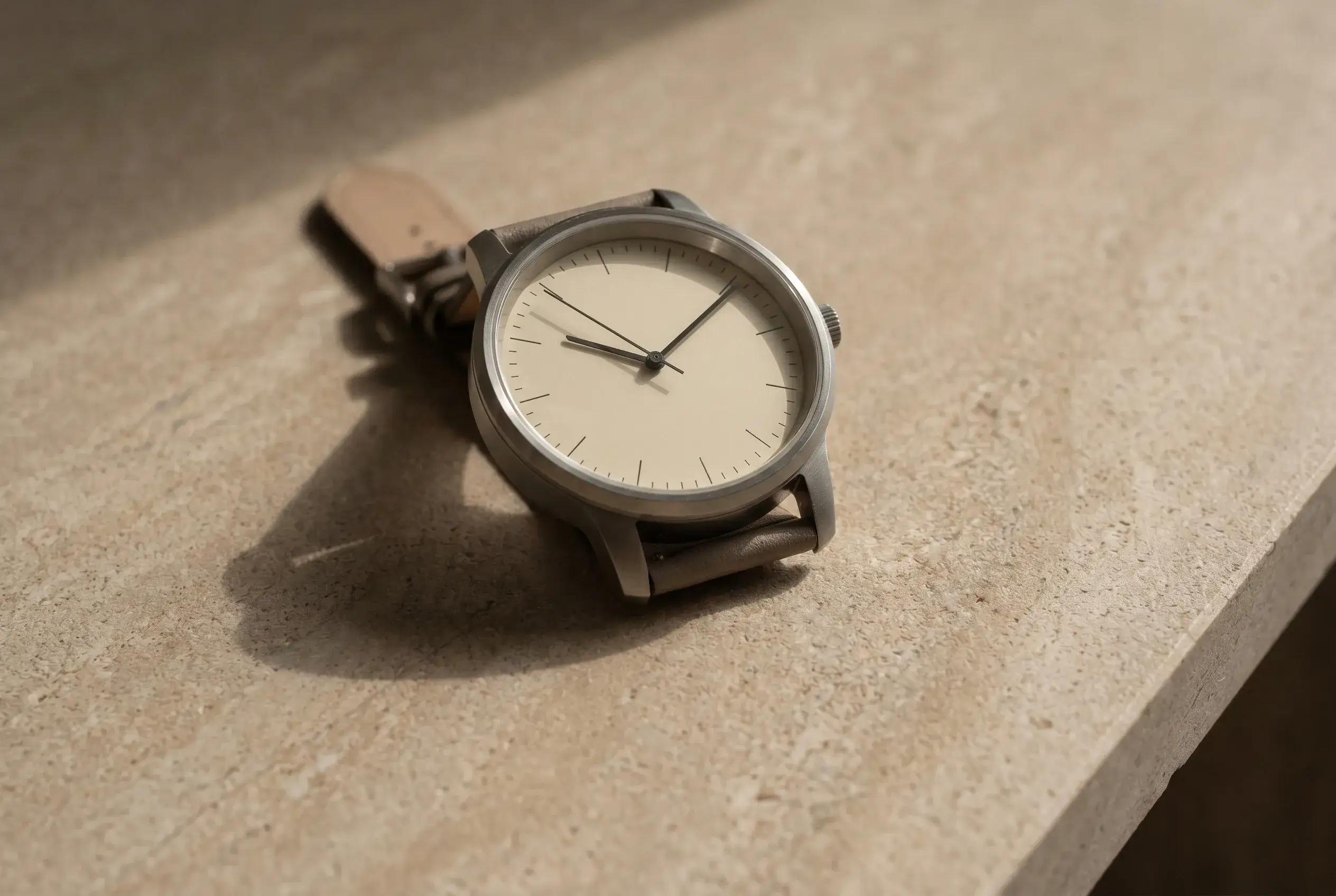
A house we finished in 2015 is the same house it was when we handed it over. A watch I bought in 2015 is its third strap and second battery. This is not a comparison I had thought about until recently. It explains something about how we design.
The Victorian terraces we work on are nearly all over a hundred years old. The brick was fired in the 1880s. The mortar is patchier than it was; the floorboards have moved; the staircase still works. None of the original drawings exist. The house has survived through patience and reasonable maintenance.
This is the company most of our new work is going to keep. The houses we are drawing now will, with luck, still be standing in 2125. The plaster will have been redone twice; the heating system three times; the windows once. The walls, the section, the way light arrives in the kitchen — those should be the same.
“Don’t build something a building can’t carry for a hundred years. That goes for materials, services, decisions and ideas.”
It is a simple rule. It rules out a lot of the things you are currently allowed to do as a house architect: the screens, the underfloor lighting fed by a control system that won’t be supported in 2032, the bespoke joinery that is screwed to the substrate of the wall, the metallic finish on the brick that will spall in a London winter.
Houses outlast watches. Most of our work is making sure that they outlast us, too.