Light is the one thing in a house you can’t buy at a shop. It arrives where the plan puts the window, in the colour the season decides. You can read a hundred specifications and not be ready for the way a kitchen feels at half past four in February — but you can draw a house that is ready for it, if you take the question seriously.
In London, the Victorian terrace has a particular relationship with daylight that we’ve thought about for years. The plot is narrow, the rear is the only place to find south, the front rooms get the long evening of west. Every solution to the standard “we want it lighter at the back” brief is really an argument about which of those you choose to lose.
“Most of the projects I’m proudest of were the ones where the client let us spend an extra fortnight on the section.”
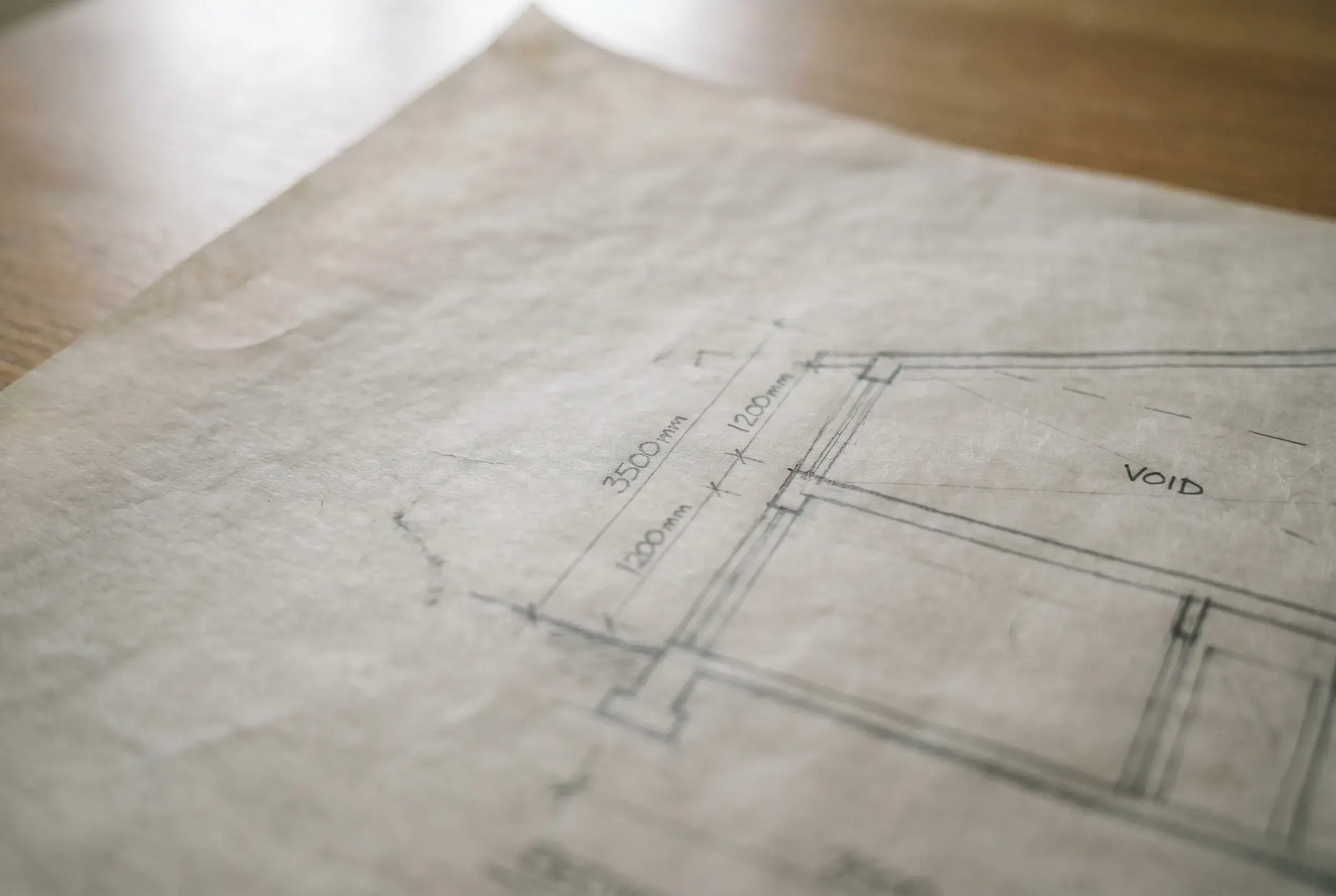
The drawings that follow are sections through six houses we’ve worked on in the past eight years. They’re not at the same scale and they’re not meant to be compared on equal terms; what I want to show is the variety of moves available when daylight is treated as the brief rather than a finish.
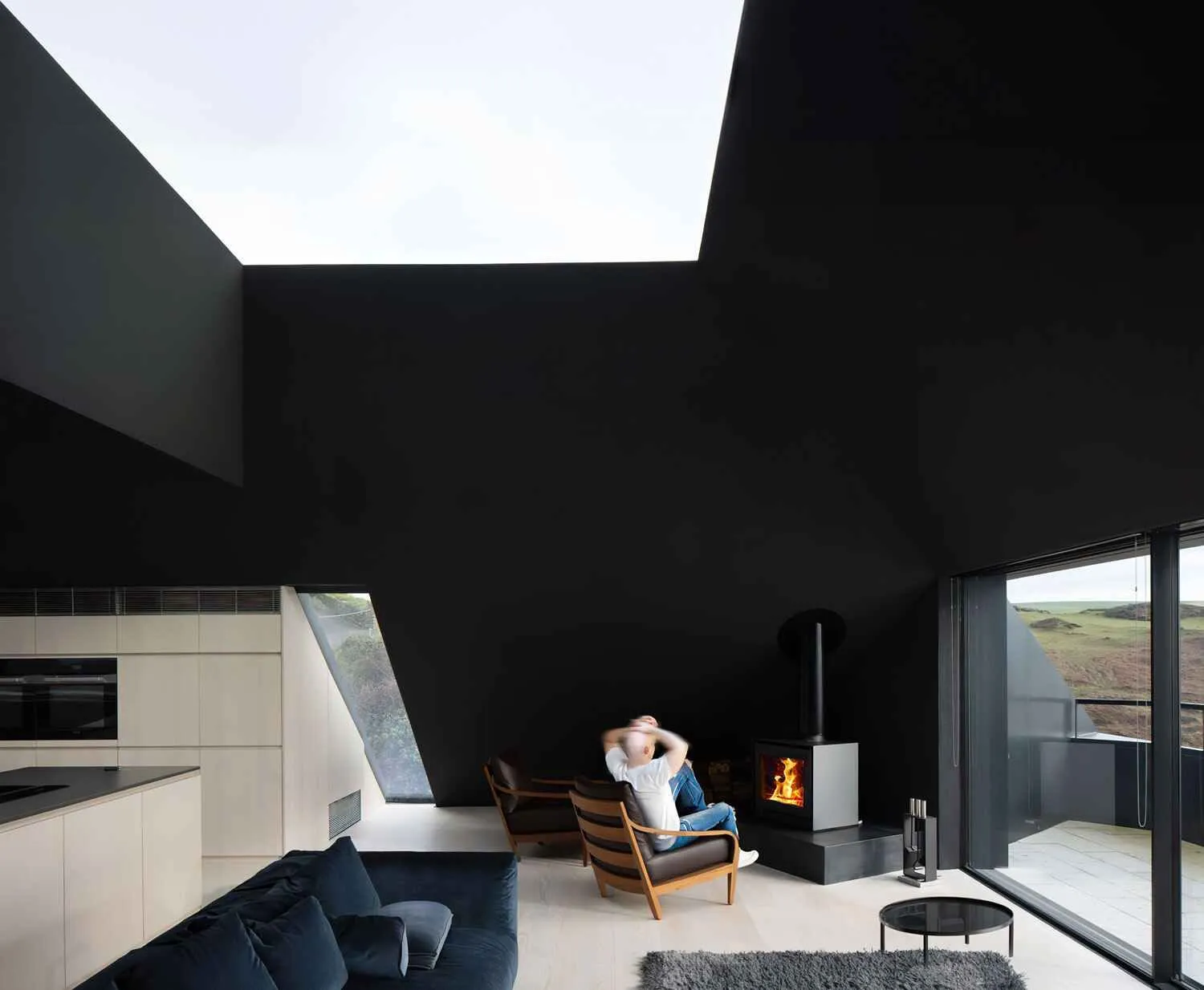
A roof light over a stair turns a circulation space into a place; a low window seat catches morning sun that no other room in the house can hold; a clerestory pulls north light over a kitchen that would otherwise be lit by the sun setting in someone else’s garden. None of these are clever. All of them require a section, drawn early, in a section book.
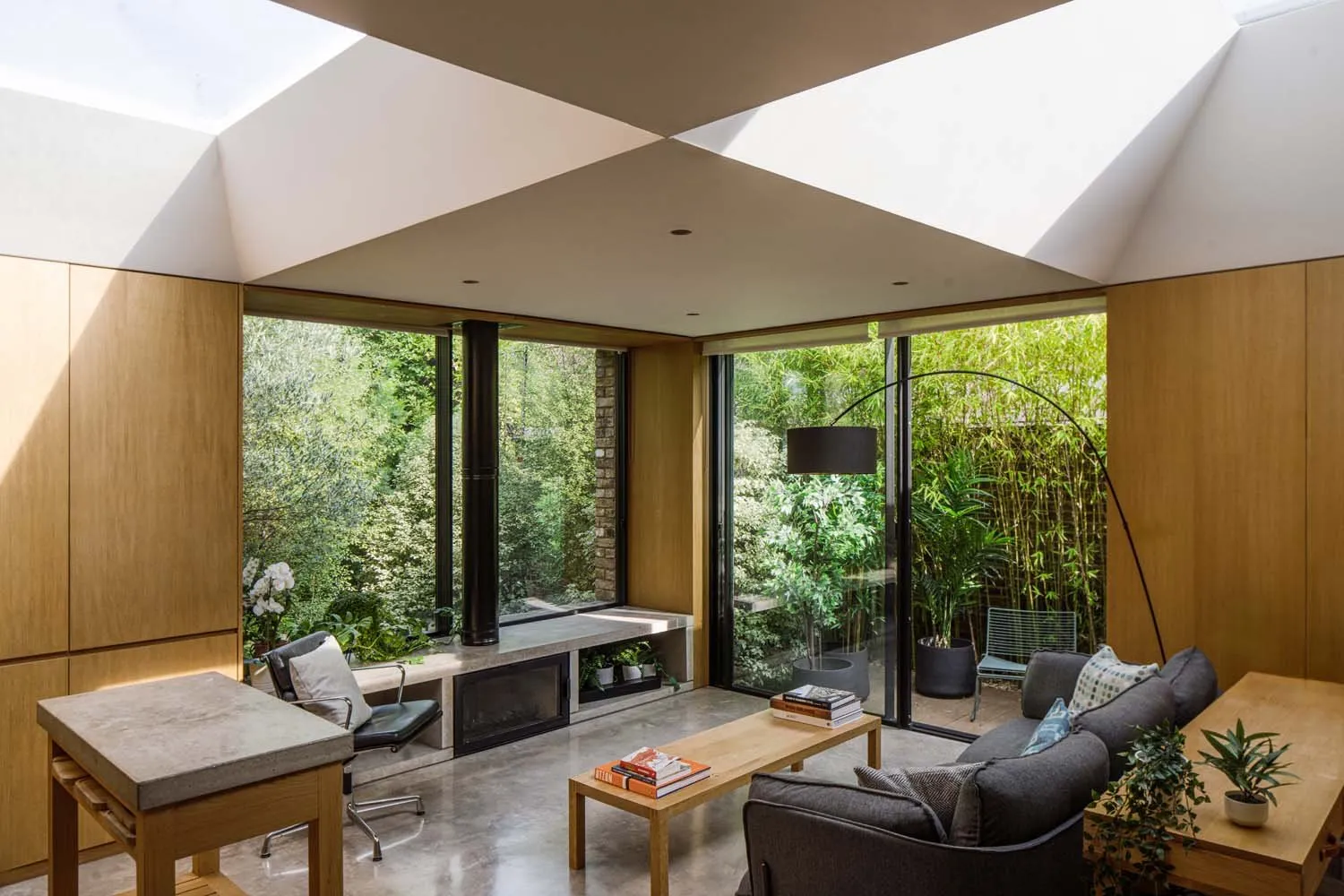
A house lasts a hundred years if it’s built properly. Light is the one thing you’ll notice every single day of those hundred years. It is worth taking longer on.