
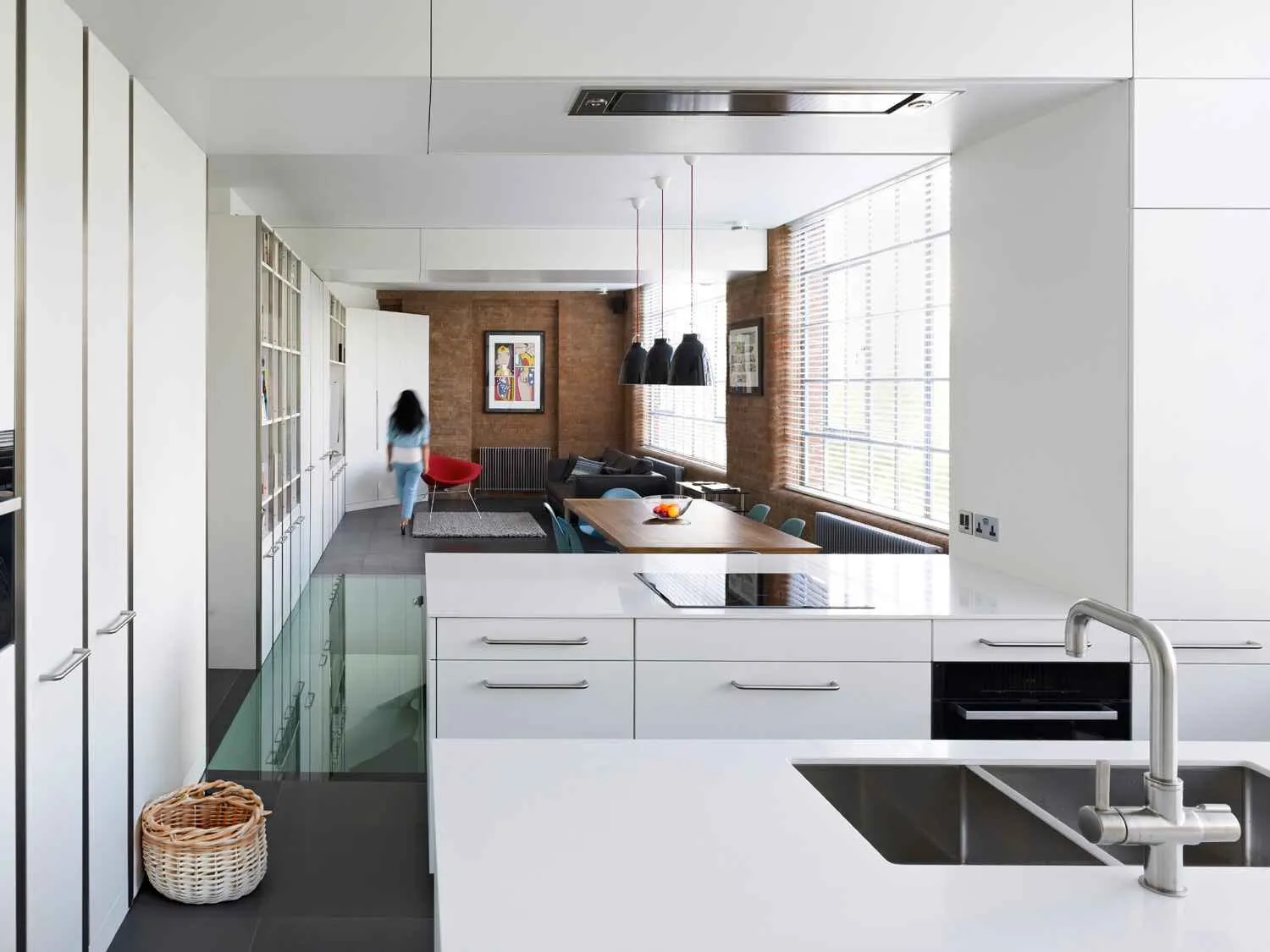
People often arrive describing a new kitchen and a loft, and leave understanding that what they actually want is a whole-house refurbishment. The two are not the same thing, and it helps to be clear about the difference before you start, because it changes the budget, the timescale and the result entirely.
It means the whole house, at once
A whole-house refurbishment treats the building as one project rather than a series of rooms. The plan is reconsidered as a whole: where you enter, how you move through, which rooms want the morning and which the evening, where the house is wasting space and where it is starved of it. Done properly, walls move, levels change, the staircase is often the biggest single decision. You are not decorating. You are rethinking how the house works.
The parts you will never see are half the job
Under the finishes, a whole-house project usually renews the things that make a house quietly good to live in: insulation and airtightness so it is warm and cheap to run, new wiring and plumbing, heating, ventilation, sometimes structural work to open the plan up. These are invisible when finished and ruinous to retrofit later, which is exactly why doing them all at once, while the house is open, is so much better than doing them piecemeal over a decade.
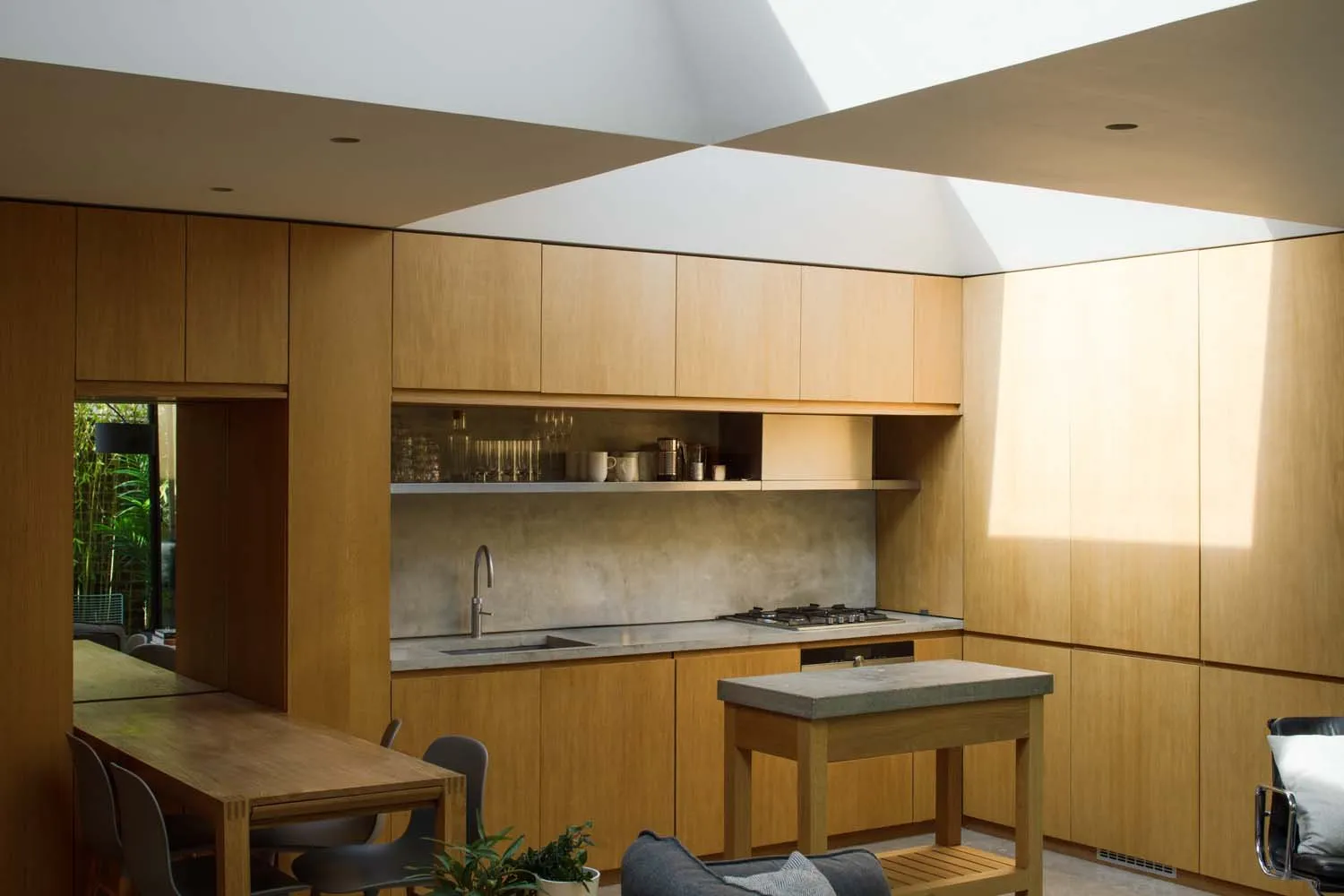
Why piecemeal usually costs more
The instinct to do it room by room, as funds allow, is understandable and usually a false economy. Every time you start and stop you pay again for access, scaffolding, making good, and the disruption of living in a building site. Worse, decisions made for one room without a plan for the whole tend to fight each other, and you end up undoing good work to make later work possible. A single, well-planned campaign is almost always cheaper per result and far less painful.
“Do it once, properly. A whole house refurbished as one thing is calmer, warmer and worth more than the same money spread over ten years of weekends.”
You will probably need to move out
For a true whole-house project, living in it is rarely realistic or wise. Most clients decant for the duration, which sounds daunting and is mostly a logistics problem rather than a reason not to do it. It also tends to produce a better building, because the contractor can work efficiently and safely rather than tiptoeing around your family.
What you get for it
At the end you have a house that is genuinely yours: warm, quiet, well lit, organised around how you actually live, with services that will not need touching for decades and finishes that will age well. It is a serious undertaking, usually a year or more on site, and it asks for an architect who will hold the whole thing together. But it is the work that turns a house you have into the home you wanted.
If that is the scale of what you are considering, we should talk. See some of our refurbishments, or get in touch.