
Conservation areas worry people, and they should be taken seriously, but they are not a no. They are a higher bar. We work in them constantly, and the projects that succeed tend to share an approach. Here is what is actually being protected, and what tends to get through.
What a conservation area protects
A conservation area exists to preserve the character and appearance of a place, not to freeze it. That distinction matters. Officers are not generally asking whether they like your house. They are asking whether the change harms the special quality of the area: its rhythm, its materials, its roofline, the way the street reads as a whole. Frame your proposal around that question and you are speaking their language.
The things officers actually look at
In practice, attention falls on a fairly predictable set of things. What you can see from the street, far more than what you cannot. Materials, and whether they match or complement what is there. The roofline and whether you are interrupting it. Windows, their proportion and how they are set into the wall. Boundary treatments. The bits at the back, in private gardens and not visible from public view, usually have more latitude, which is often where the bolder moves can go.
Contemporary or pastiche?
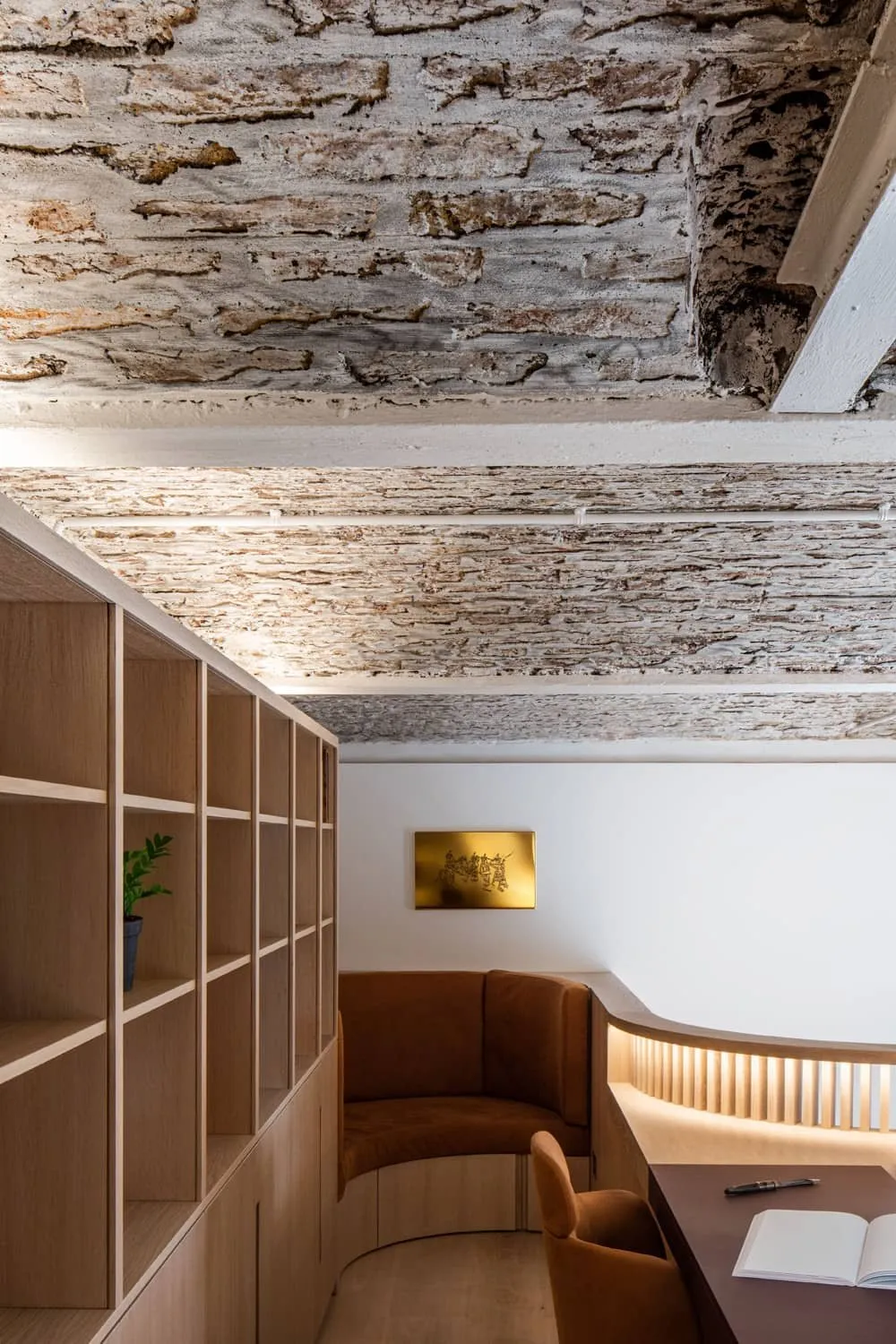
One of the oldest questions in conservation work is whether new additions should imitate the old or be honestly of their time. Both can win, and both can fail. A weak pastiche that gets the proportions wrong is often refused; so is a contemporary box that ignores its surroundings. What succeeds is usually contemporary work that is quiet, well proportioned, and built from materials that belong, so that it sits comfortably beside the old without pretending to be it. Good officers tend to prefer honesty done well to imitation done badly.
“A conservation officer is not your opponent. They are protecting something real. Show them you understand what that is, and most of the conversation goes your way.”
Beware Article 4, and check the small print
Many conservation areas have Article 4 directions, which remove some of the permitted-development rights you would otherwise have. That means changes you could make freely elsewhere, windows, doors, sometimes hard surfaces at the front, may need permission here. It catches people out. It is worth knowing exactly what applies to your house before you plan, because it can shape the whole approach.
Talk to them before you apply
The single most useful step is pre-application advice. Putting the idea in front of the officer early, listening properly to the response, and adjusting before you submit, turns a gamble into a conversation. We draw the design and the planning case as one thing from the start, because in a conservation area they genuinely are. That is how a house next to a listed building, or above listed vaults, ends up approved on its merits.
If your house is in a conservation area and you want to know what is realistic, that is exactly what we are good at. Tell us about it, or read more about how we handle London planning.