

The honest answer is that you do not legally need an architect for most house projects. You can submit a planning application yourself, appoint a builder, and run the job from your kitchen table. People do it, and some of them are happy with what they get.
But you asked the question, which usually means you can already feel the size of the decision. A house is the most expensive and most permanent thing most people ever commission. The cost of getting it wrong is not measured in fees. It is measured in the years you spend in rooms that are slightly too dark, slightly too small, or laid out for a family you used to be.
So rather than tell you that you must have an architect, here is where one earns the money. You can read it and decide.
You are buying judgement, not drawings
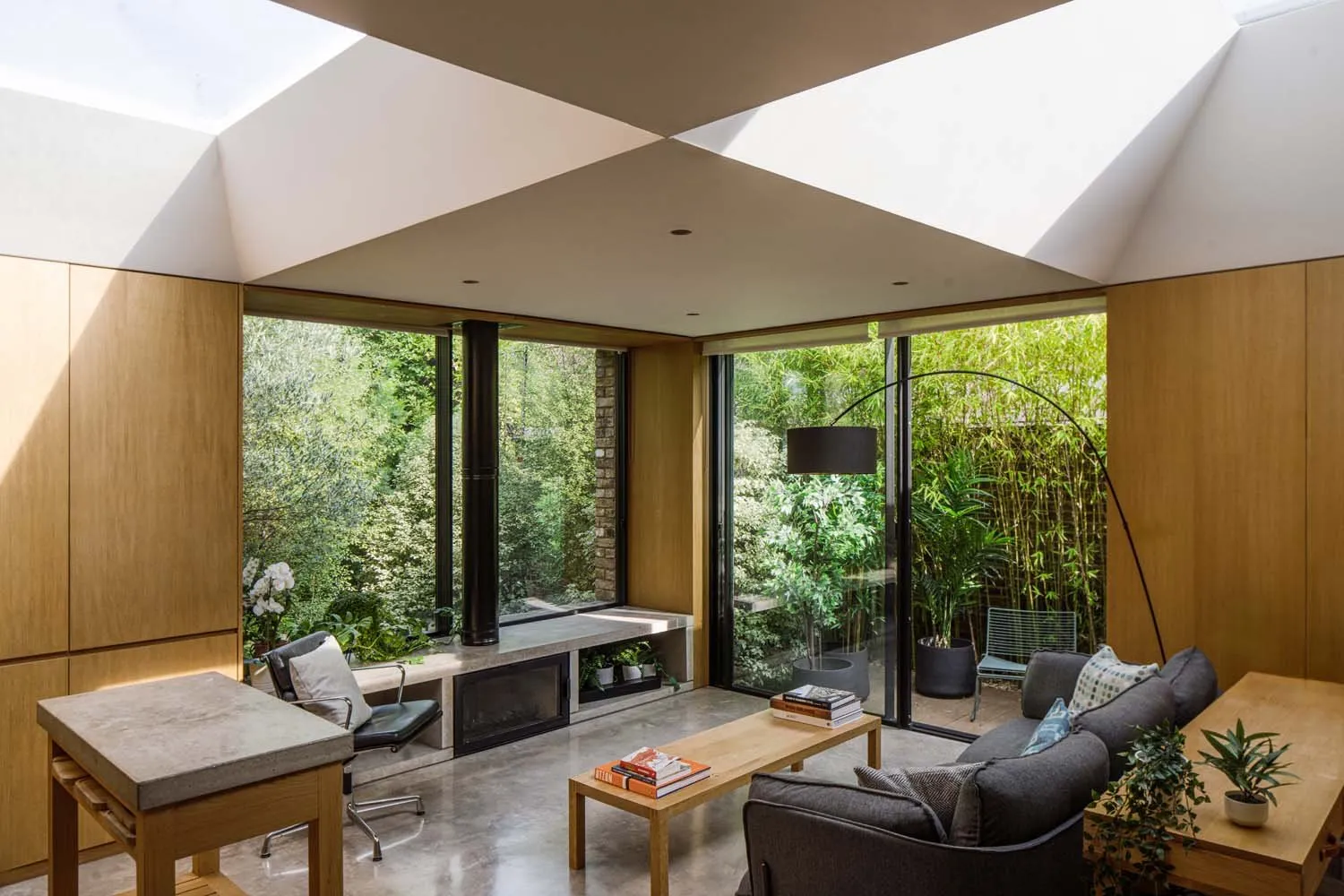
Drawings are the by-product. What you are really paying for is a few hundred small decisions made well, and made in the right order. Where the stair lands. How wide the opening between kitchen and garden wants to be. Which wall to leave out and which to keep. Whether the budget is better spent on one good rooflight than on three ordinary windows.
Most of those decisions cannot be undone once the house is built. An architect who has made them a few hundred times before is, in effect, insurance against the expensive kind of regret.
You are buying a fight you do not want to have
On most projects there is a moment, usually on site, when the design and the build pull in different directions. A detail is harder than it looked. A material is late. Someone suggests an easier way that quietly makes the house worse. If you are managing the builder yourself, that argument is yours to have, in your own home, with the people you have to live alongside for the next year.
An architect runs the contract, prices the work properly so there are fewer surprises, and stands between you and the hundred small compromises that would otherwise erode the house. We are on site every week, which is where most of the value of the fee is actually spent.
When you probably do not need one
If the work is genuinely simple, a like-for-like repair, a small and obvious change with no planning to win and no real design question to answer, then an architect may be more than you need. We will tell you so. We turn down work that does not warrant us, because doing fewer houses well is the whole point of how the studio is run.
“On a house, the cost of getting it wrong is far higher than the cost of getting it right. That gap is the architect’s fee, and usually a good deal more.”
The real test
Ask yourself one thing. Is this a house you intend to live in, properly, for years? Or is it a quick improvement you will sell on? If it is the second, run it lean. If it is the first, the question is not really whether you can afford an architect. It is whether you can afford to spend the next decade in a house that nobody thought hard enough about.
If you are weighing up a new house or a whole-house renovation and you are not sure which side of that line you fall on, that is exactly the conversation to have at a first meeting. It is free, and it tends to be the most useful hour you will spend on the project. You can get in touch here, or read more about how we work as residential architects in London.