
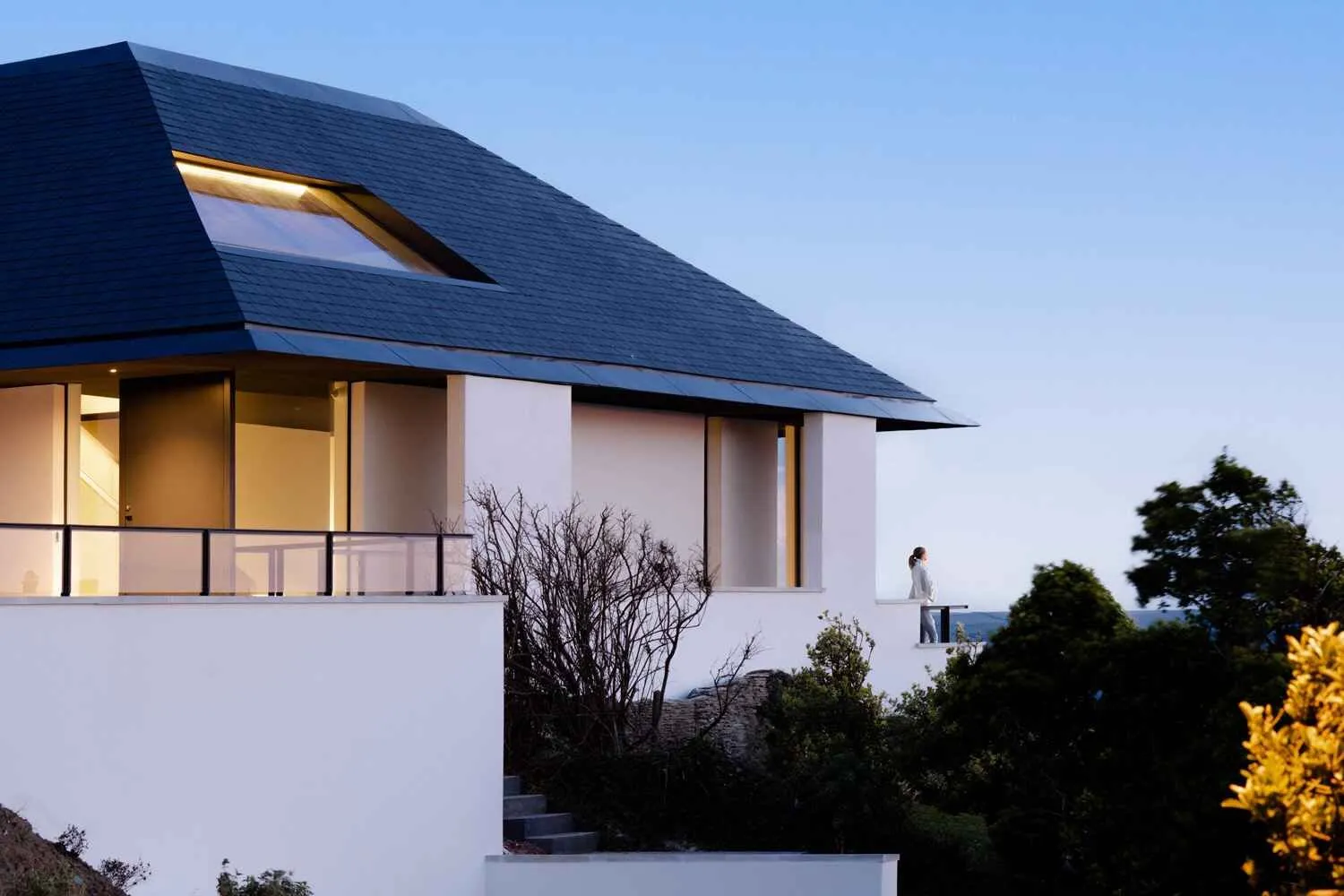
A new house on an open site is some of the best work there is. There is no party wall to negotiate, no awkward Victorian plan to unpick, just the land, the light and the brief. It is also the work where the early decisions matter most, because almost nothing is fixed for you. So if you are thinking about building from scratch, here is the order we would take it in.
Start with the land, and what it will allow
The single biggest variable is the site, and specifically what you will be allowed to build on it. A plot with planning permission, or with a clear policy route to permission, is worth a great deal more than a beautiful field with no chance of approval. Before you fall in love, find out the planning context: green belt, conservation area, flood risk, access, what the neighbours have managed before. We are often asked to look at a site before a client buys it, and it is the cheapest, most useful work we do.
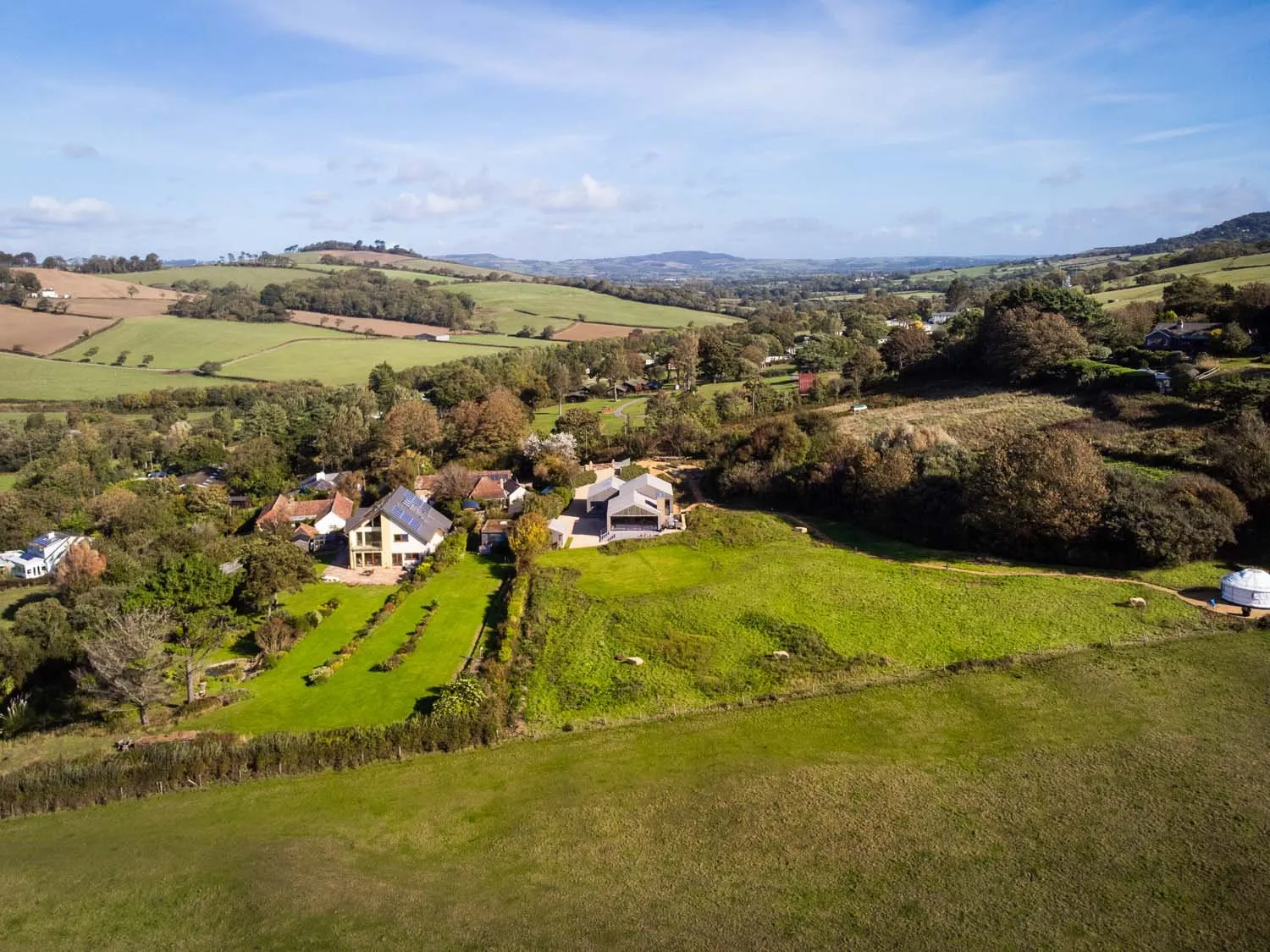
Let the site write the brief
On a tight urban plot the building shapes the site. In open country it is the other way around. Where the sun comes from, where the wind comes from, where the view is and where you would rather not look, where the ground is solid and where it is not. The best country houses we have built feel as though they could not sit anywhere else, and that is not luck. It is weeks of standing on the land before drawing a line.
Be honest about budget, early
A new house gives you freedom, and freedom is expensive if it is not governed. Groundworks on a sloping or remote site can cost more than people expect. Getting services to a rural plot can be a project in itself. We build the budget into the design from the first week, so that the house you fall for is one you can actually afford to finish, rather than one you have to value-engineer into something lesser halfway through.
“In the country the site sets the brief. The job is to listen to it carefully enough that the house feels inevitable.”
Plan the route through planning
Building in open countryside often means engaging with policy that exists specifically to stop ordinary houses being built there. That is not a reason to give up. It is a reason to have an architect who understands the arguments that win: exceptional design quality, a genuine response to the landscape, sometimes a replacement of an existing building. We draw the planning strategy and the design as one thing, because on a sensitive rural site they cannot be separated.
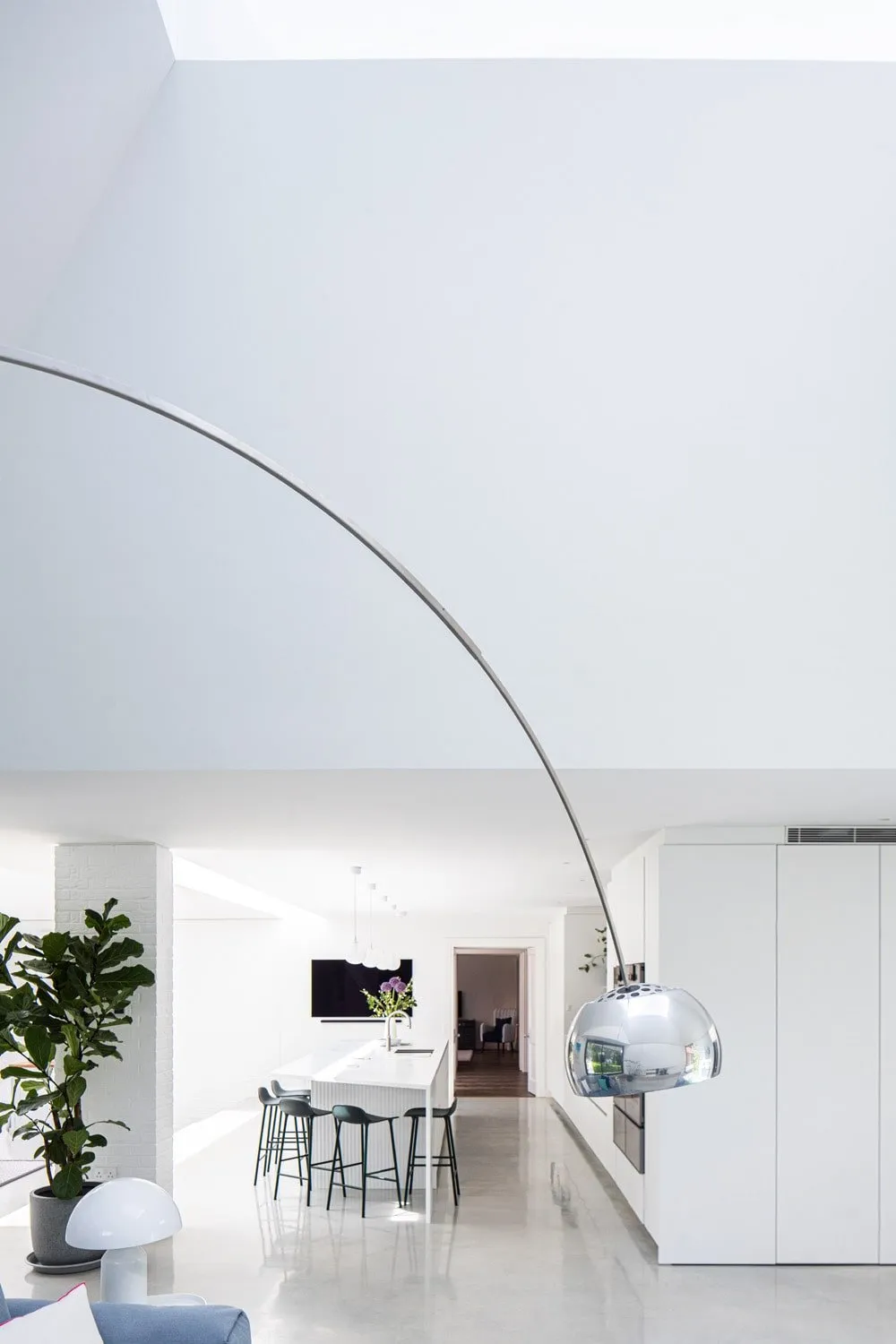
Then build slowly, and well
A new house is one of the few chances most people get to make something exactly right. It deserves the time. From the first sketch to moving in is usually two to three years, and the parts that feel slow, the months of design and the weeks on a single detail, are the parts that you will be grateful for every day afterwards.
If you have a site, or are weighing one up, we would happily look at it with you. You can get in touch here, or see more of our houses, in London and out of it.